Illinois Makes History in the Fight Against Plastic Pollution
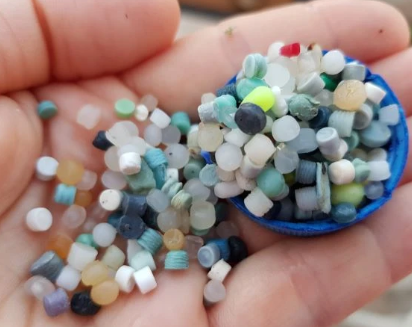
Friends of the Chicago River applauds a new law which makes Illinois the first Great Lakes state to designate pre-production plastic pellets, commonly known as “nurdles”, as a pollutant.
Governor JB Pritzker signed the measure into law on August 7, taking an important step toward stopping plastic pollution at its source. The new law directs the Illinois EPA to develop and implement stormwater pollution controls specifically targeting plastic pellets, requiring companies that manufacture, use, or transport them to take steps to prevent spills and keep nurdles out of our waterways.
These tiny pellets are the building blocks used to manufacture plastic products, but they can escape from factories and during transportation and travel through stormwater into rivers and lakes. Once in the environment, they persist as microplastic pollution and can be mistaken for food by wildlife.
And we know they are reaching the Chicago-Calumet River system. Loyola University biologist Tim Hoellein, a longtime Friends partner who studies plastic pollution in our river system, finds at least 50 to 60 nurdles every week in the Friends-sponsored trash trap in the Chicago River’s main stem downtown. This summer, Hoellein and his students also found nurdles in samples from the Calumet, Des Plaines, Illinois, Rock, and Mississippi rivers. Hoellein and Emily Kowalski, the associate director at Environment Illinois, recently spoke about the problem of plastic pollution and pre-production plastic pellets at Friend’s Happy Hour Speaker Series held at the McCormick Bridgehouse & Chicago River Museum on July 30.
The new law recognizes that cleaning plastic out of our rivers after it gets there isn't enough. We need to prevent pollution before it reaches the water. By requiring greater accountability and pollution-prevention measures, Illinois is taking an important step toward protecting people, water, and wildlife from plastic pollution. We celebrate this important victory and the advocates, researchers, lawmakers, and community members who helped make it possible.
